
Beyond 60%
WITH KRISSY PRIDE COACHING
Empowering survivors of intensive care and serious illness to rebuild energy, identity, and confidence.
Through personalised, evidence-informed coaching
and compassionate support
Free Download:
The First 7 Steps to Rebuilding Life After Serious Illness
My mission is to:
Empower people to rebuild their life after surviving a coma, intensive care or serious illness.
To find direction, rebuild self confidence, and feel at home in their new identity. And to help the workplaces and teams that support them to understand what recovery truly means.
Through compassionate, evidence-informed coaching, workshops, and speaking, I bridge the gap between medical recovery and real life rebuilding, helping both individuals and organisations move forward with greater awareness, resilience, and hope.
With over 15 years of healthcare experience, including a decade working as a Critical Care Nurse, I’ve walked alongside hundreds of patients and families through the uncertainty of illness, recovery and beyond.
Coaching has the power to transform what happens next by giving people the space, support, and tools to process what happened, rediscover their purpose, and rebuild a life that feels like their own again.
my Services
Whether you’re rebuilding life after serious illness yourself, or supporting others to do so, my coaching, workshops, and talks are designed to bridge the gap between recovery and real-life rebuilding.
For Individuals
For people experiencing life after intensive care, a coma, or serious illness - coaching that helps you regain confidence, rebuild identity, and move forward feeling grounded, capable and hopeful again.
Explore how coaching could be your missing puzzle piece ->
For Organisations, Wellbeing Events & Professional Networks
Support your teams to better understand what recovery really means, and how to create a more compassionate, informed, and resilient workplace for people returning after serious illness or major health event.
Through talks, workshops, and interactive training, I help organisations bridge the gap between medical recovery and workplace.
Explore how my workshops and talks could be exactly what your organisation needs ->
The Facts
Each year in the UK, 200,000 people are admitted to intensive care, and more people than ever are surviving.
But for many, survival is only the beginning.
Research from leading organisations like NICE, the Intensive Care Society and NCEPOD has shown that life after intensive care can bring lasting physical, emotional and cognitive challenges.
Fatigue, brain fog, anxiety, disturbed sleep, and a deep sense of “I don’t feel like me anymore” are incredibly common.
Even when physical rehabilitation is complete, the emotional recovery often takes longer, and structured support for this stage of recovery is still inconsistent across the UK. Many people and their families describe feeling stuck between “survived” and “recovered,” unsure how to rebuild everyday life.
This is where real-life rebuilding comes in.
Because no discharge summary or generic leaflet prepares you for the moment you get home and realise that surviving isn’t the same as living.
Sepsis and Severe Infection
Sepsis affects around 245,000 people in the UK each year. Thanks to advances in care, more people than ever are surviving but recovery can take time. Many people find they’re left with fatigue, anxiety, or memory changes long after hospital discharge. That doesn’t mean you’re weak; it means your body and mind have been through something huge.
Intensive Care, Coma & Mechanical Ventilation
Roughly 200,000 people each year in the UK require adult critical care. Being in ICU, especially if sedated or ventilated, can have lasting effects, both physically and emotionally. It’s normal to experience disrupted sleep, vivid memories, or difficulty trusting your body again once you’re home. These are common parts of what’s known as post-intensive care syndrome.
Cardiac Arrest and Major Cardiac Events
Each year, thousands of people in the UK survive a cardiac arrest or serious cardiac event. Survival is a huge milestone, but adjusting afterwards can be unexpectedly hard. Many people describe emotional highs and lows, anxiety, or uncertainty about the future. It’s not just your heart that heals, it’s your confidence, too.
Stroke, Brain Injury, or Major Trauma
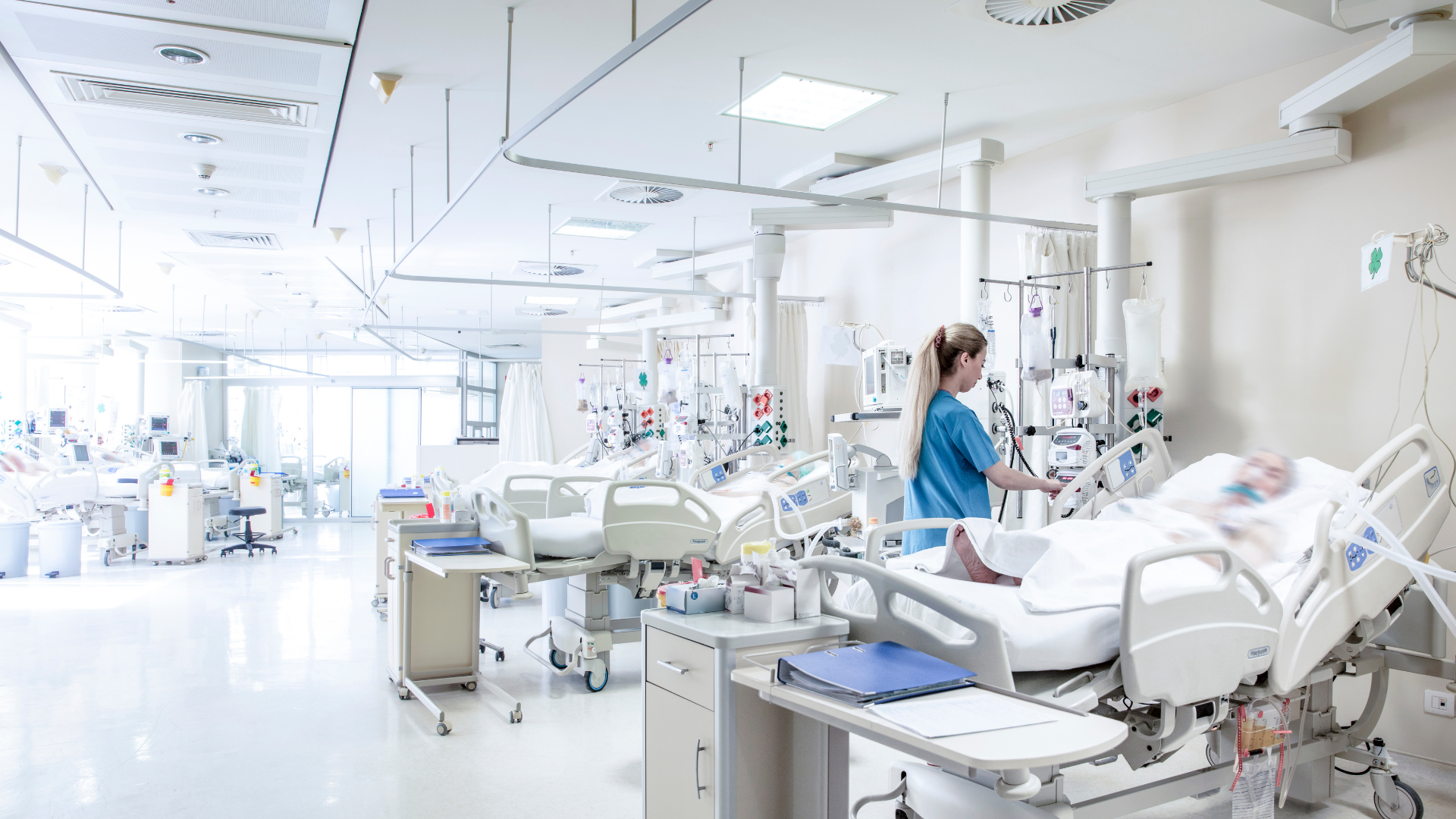
In the UK, someone is admitted to hospital with a brain injury every 90 seconds. For survivors, the physical recovery is often just one part of the story. It’s also about relearning daily life, regaining identity, and finding purpose again. Emotional fatigue, overwhelm, and frustration are normal, and support with pacing and mindset can make a real difference.
Respiratory Failure, ARDS, or COVID-19
Survivors of respiratory failure or ARDS often face a long recovery. Breathlessness, fatigue, and “brain fog” can linger for months. It’s also common to feel frustrated when progress feels slow. These symptoms are recognised by NICE and the Intensive Care Society as part of the wider recovery journey after critical illness.
Transplant Recovery
More than 4,000 organ transplants take place in the UK each year. It’s a second chance at life, but that doesn’t mean it’s easy. Recovery can feel complicated, with a mix of gratitude, fear, and physical ups and downs. Coaching can help you find stability, rebuild confidence, and reconnect with life beyond the hospital walls.
The Common thread
Whatever brought you to intensive care, infection, trauma, surgery, or a sudden medical crisis, recovery rarely ends at discharge.
Beyond 60% was created for the space after survival, the part where you’re home, healing, and wondering when life will start to feel like yours again.

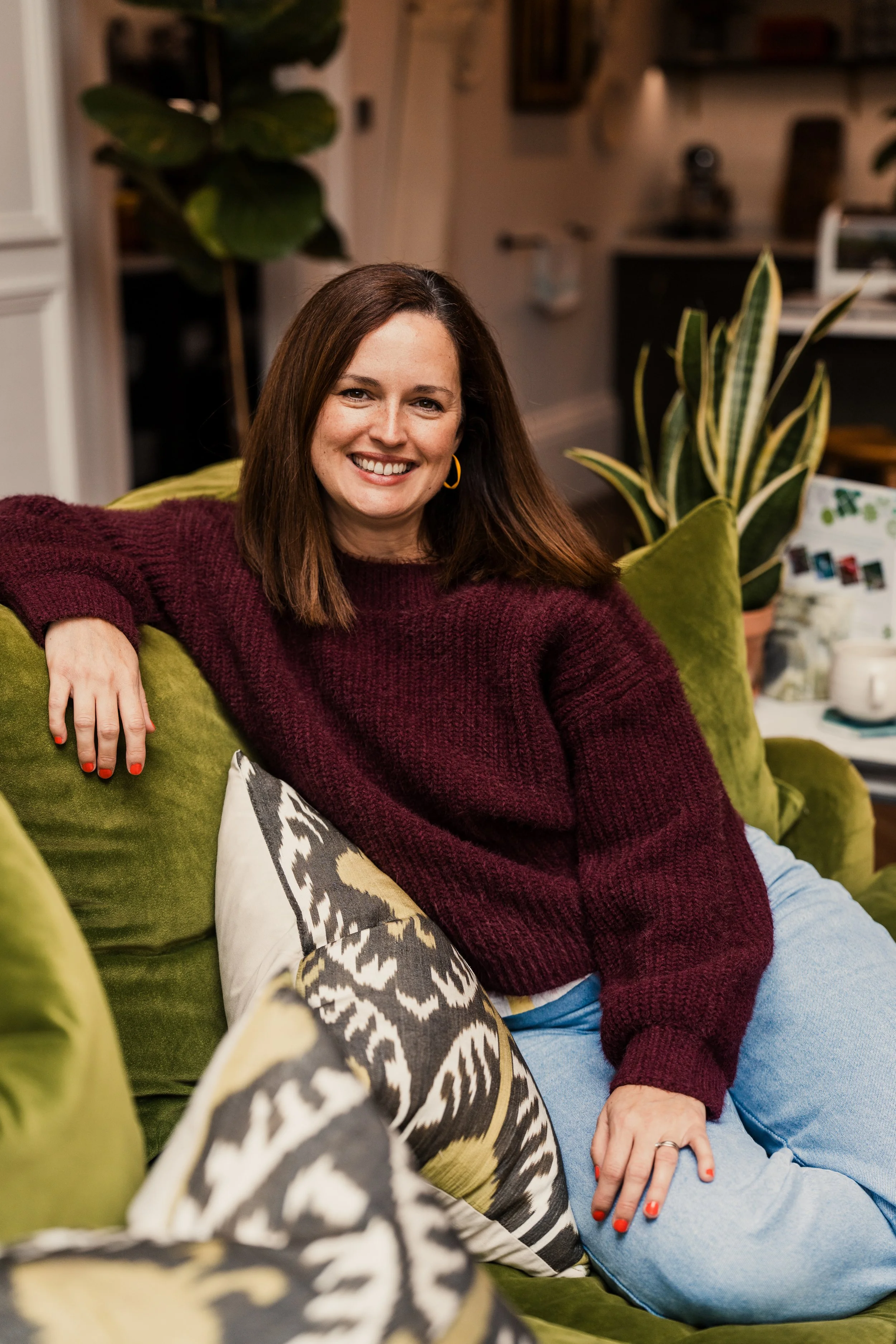
Hi there, I’m Krissy
Founder of Krissy Pride Coaching and creator of Beyond 60%.
After nearly a decade working in critical care, I realised there was something missing in the way we support people once the medical part of recovery ends. The world expects you to be “back to normal,” but so many people are left feeling only 60% themselves sometimes for months or even years after, exhausted, uncertain, and wondering where and how to start.
Fueled by far too many cups of coffee, a fire in my belly and 15 years of healthcare experience, I’m setting out to change that.
Now I help people to rebuild their lives after surviving a coma, intensive care or a serious illness, to set meaningful goals, rebuild self awareness and confidence, and feel at home in their new identity. I also work with workplaces, organisations and wellbeing networks to create environments that truly understand what recovery means.
Get Involved
-

Sign up to Gentle Notes
My weekly(ish) email newsletter, filled with honest reflections, practical tips, and gentle encouragement for those who need it. Plus the occasional dash of humour, stories and fun to bring in the lighter side of life!
-

Download your free guide
The First 7 Steps to Rebuilding Life After Serious Illness. This Free download is your starting point to get you on track for uncovering what really matters to you, finding your new direction in life and restoring hope and purpose after everything changed.
-
Join me on Instagram
Come behind the scenes for casual chats, honest insights, behind the scenes peaks and a real look at life and recovery beyond 60%.